
Project Images and Application References
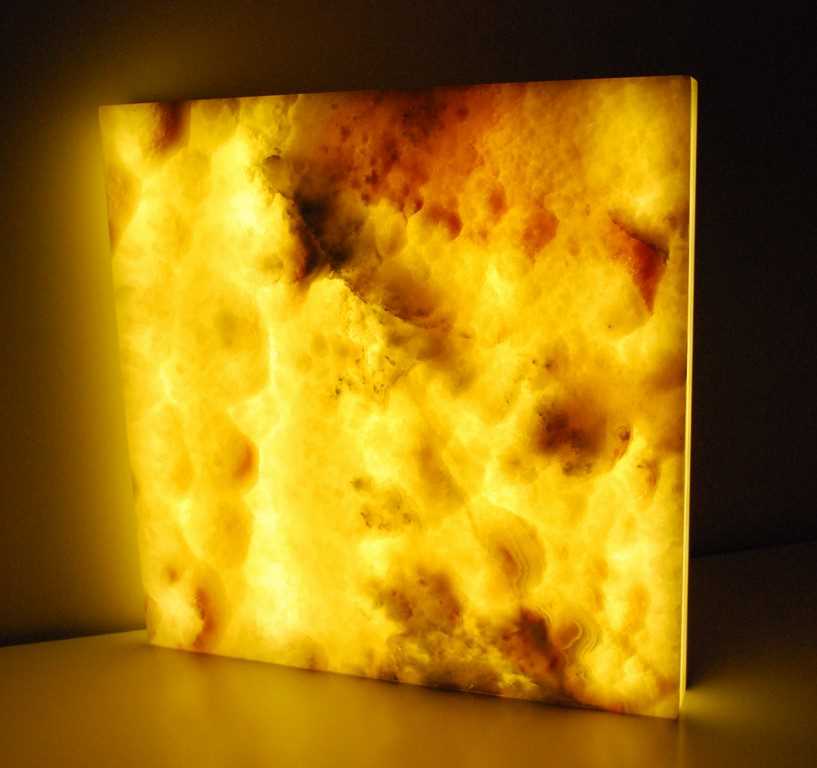
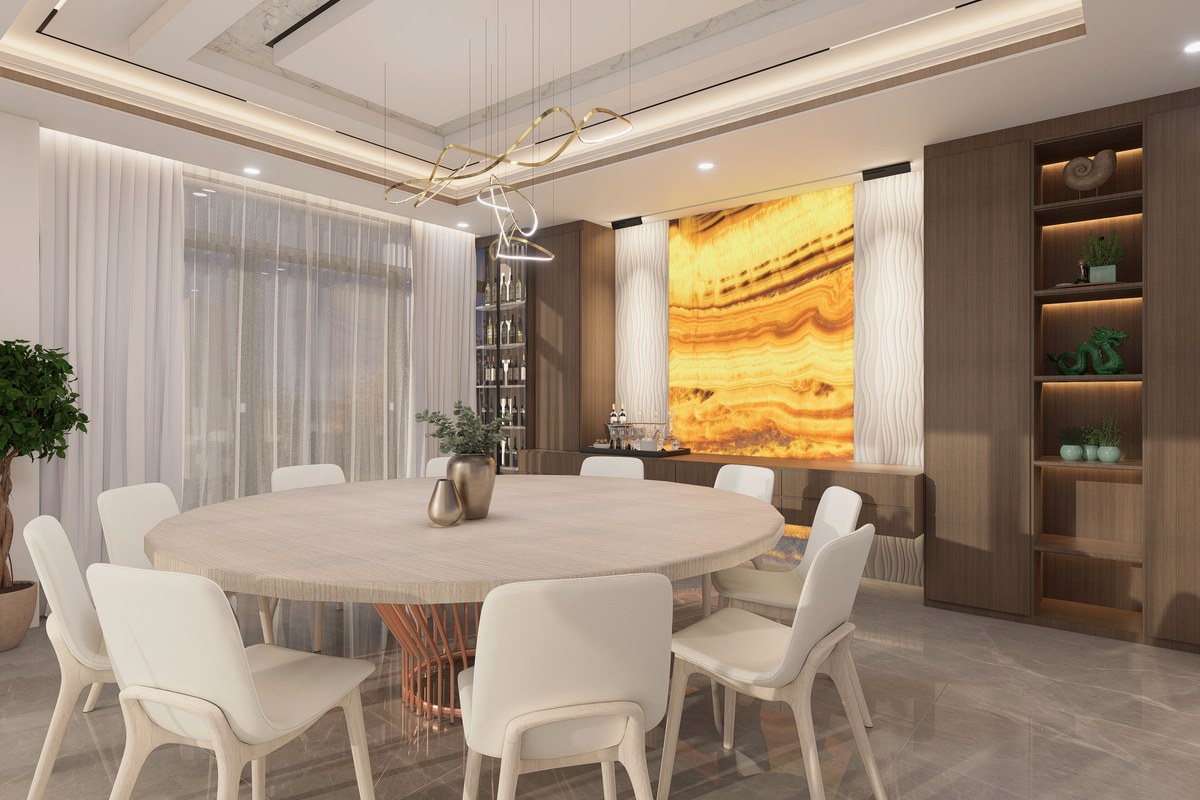
An LED panel for backlit marble should be selected around the stone, not only around the panel size. Marble translucency, thickness, color, veining, cavity depth, diffuser layer, and power layout all decide whether the final surface looks soft and even or patchy and dotted.
Many buyers search for a simple LED panel, but backlit marble usually needs a project-level solution. A flexible LED light sheet can be easier to adapt to custom dimensions and stone seams than rigid panels, but it still requires optical and electrical planning.
Why Marble Is Different from Acrylic
Acrylic diffuser panels are manufactured to diffuse light in a predictable way. Marble is natural. It may have uneven density, veins, cloudy zones, resin-filled areas, or different transmittance across the same slab. This means the same LED sheet layout can look different behind two pieces of marble.
For a broader material comparison, read backlit onyx vs marble vs quartzite. For LED distance planning, pair it with LED light sheet distance to hide dots.
Cavity Depth Guidelines
| LED-to-marble distance | Risk level | Design response |
|---|---|---|
| 50 mm or more | Lower dot risk | Good starting point for many premium stone applications |
| 30-50 mm | Medium risk | Use sample testing, high-density sheets, and reflective cavity surfaces |
| Under 30 mm | High risk | Consider diffuser layer, structure change, or a different product density |
| Very deep cavity | Low dot risk but possible brightness loss | Check output and reflective cavity efficiency |
Diffuser Layer: When It Helps
A diffuser layer can help when cavity depth is limited or the marble is highly translucent. However, it can also reduce brightness. The decision should be tested with the real material. If the sample looks too dim after adding a diffuser, the solution may require higher-density sheets, better cavity reflection, or adjusted brightness expectations.
Power Planning for Marble Projects
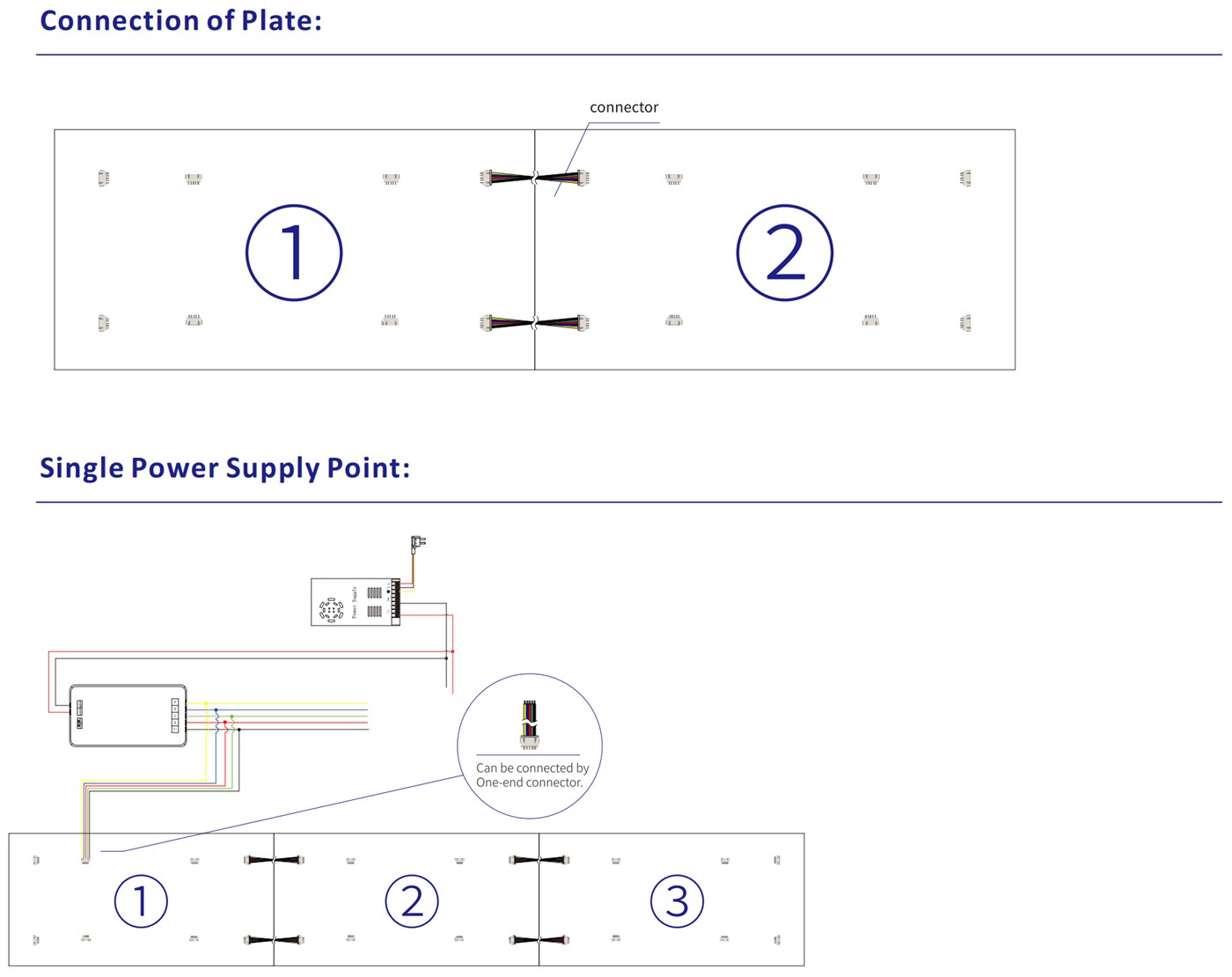
Marble backlighting often covers large areas such as counters, elevator walls, reception desks, and luxury panels. Do not power long runs from one end only. Use shorter zones, practical cable routes, and accessible power supplies. This prevents brightness differences and makes future service easier.
Use LED power supplies and power supply distance planning together when the marble layout is large or split into several panels.
Marble Project Checklist
- Visible marble dimensions and outside stone dimensions
- Stone thickness and photos with light-on sample if possible
- Available cavity depth behind the marble
- Frame, trim, and hidden edge details
- Preferred color temperature or dimming method
- Power supply access and cable exit direction
For quote-ready planning, submit these items through the request quote page instead of asking only for a square-meter price.