
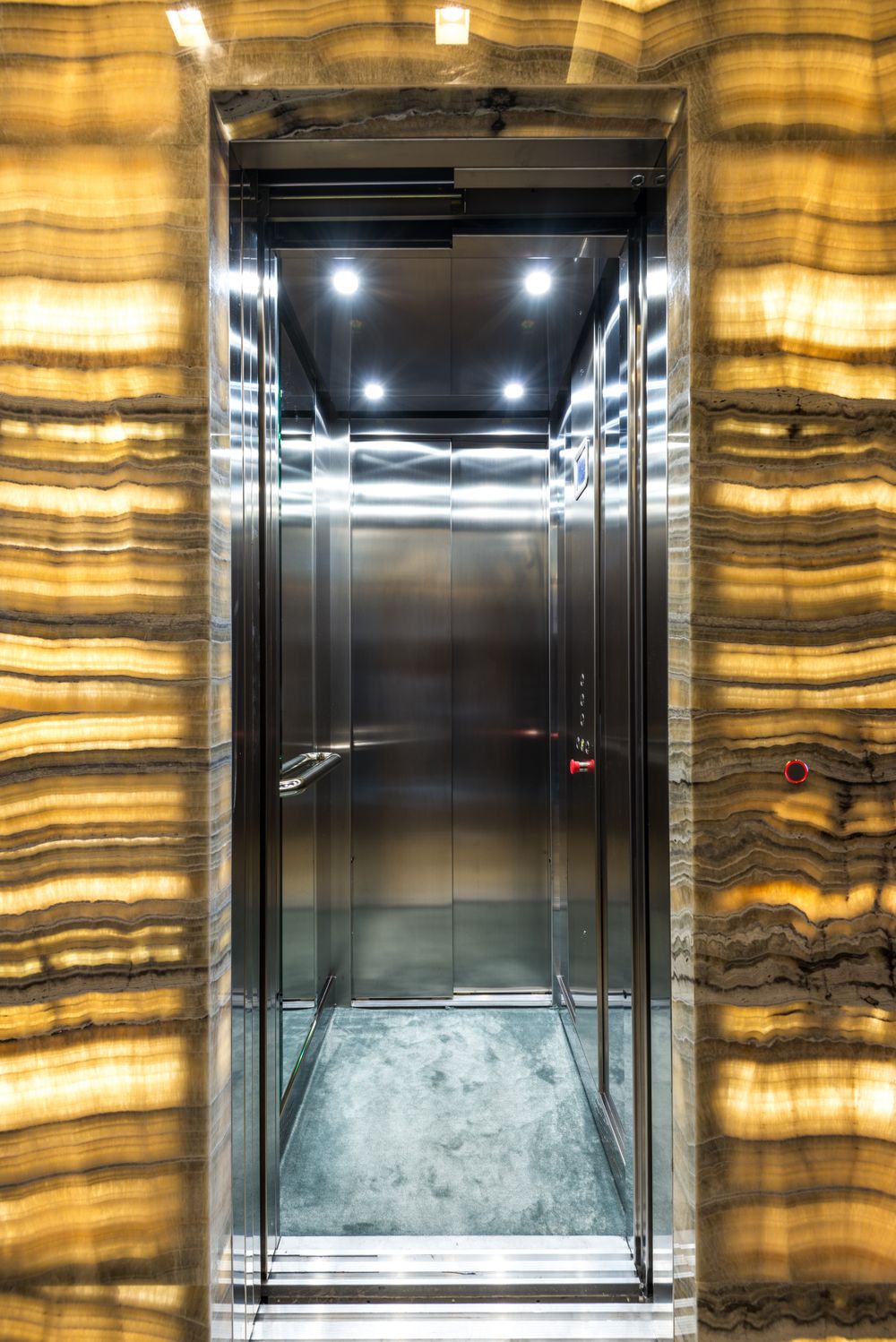
Onyx gives the strongest, most dramatic glow but is soft and acid-sensitive, so it suits walls, bars and feature panels. Quartzite is hard and durable enough for busy kitchen counters, but only certain crystalline varieties glow and they need more light. Translucent marble sits in between. Whichever stone you choose, test the actual slab with an LED light sheet before you finalize the design.
Quick comparison
| Onyx | Translucent marble | Quartzite | |
|---|---|---|---|
| How much light passes | Highest; strong, colorful glow | Medium; soft, even glow in light-colored varieties | Lower; only crystalline varieties glow |
| Hardness | Soft, scratches easily | Soft to medium | Hard, scratch-resistant |
| Acid and stain sensitivity | High; lemon, wine and vinegar etch it | High; also etches | Low; much more resistant |
| Best uses | Feature walls, bar fronts, reception desks, vanities | Walls, panels, low-traffic tops | Kitchen islands and counters that get daily use |
| Light needed behind it | Least | Medium | Most |
| Risk of showing LED dots | Highest | Medium | Lower, but uneven veins show |
Onyx: the brightest glow, the most care
Onyx is a banded, crystalline stone that lets a lot of light through, which is why backlit onyx shows such deep color and pattern. The same translucency means it shows every LED dot and seam if the light sheet is too close, so it needs a generous cavity or a diffuser.
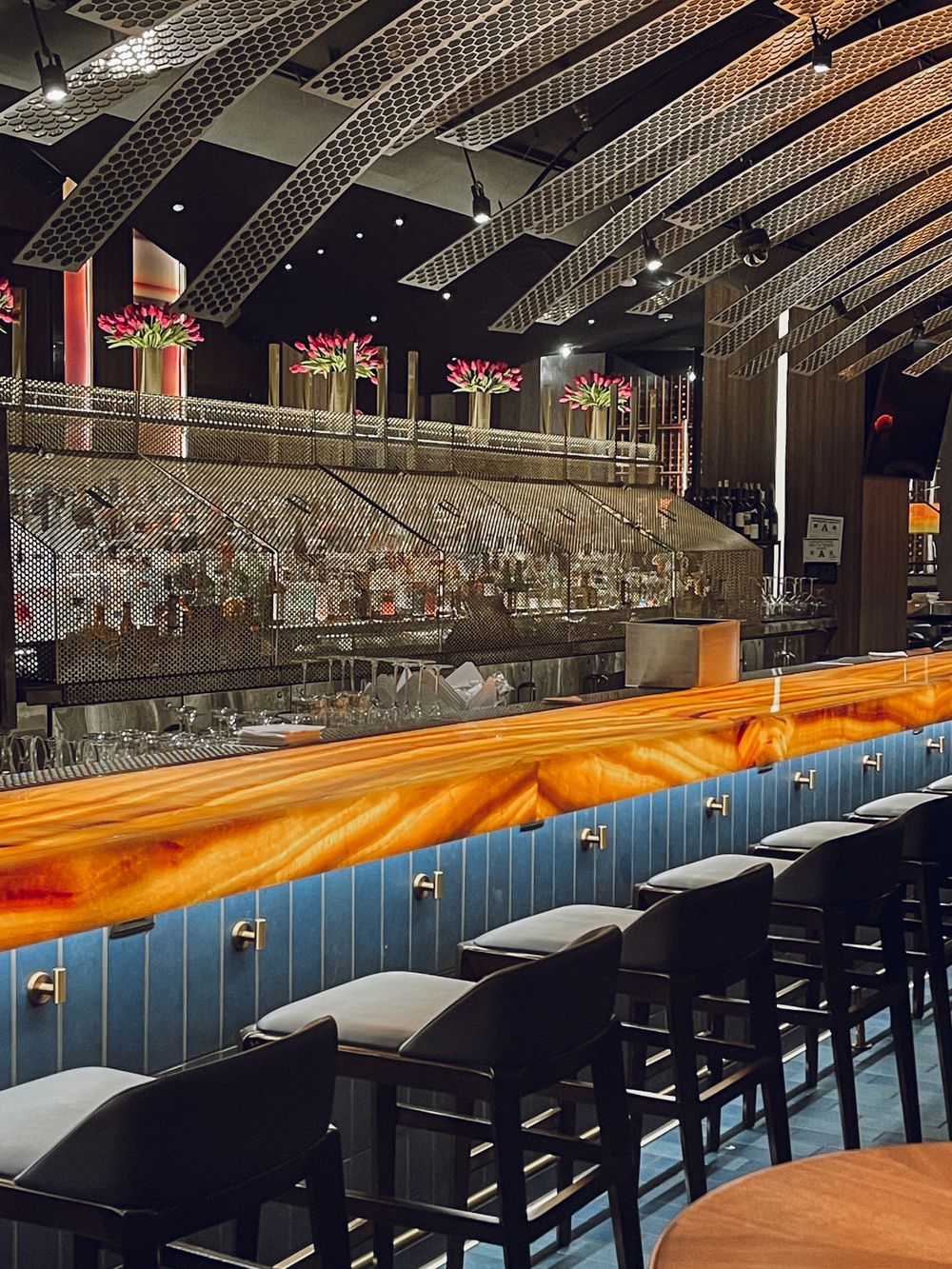
Onyx is soft and reacts with acids, so it scratches and etches easily. That makes it a better fit for walls, bar fronts, reception desks and bathroom vanities than for a busy kitchen worktop. Slabs are often reinforced on the back with resin or mesh, or laminated to glass, which also affects how light passes through: test the slab as it will be installed.

Translucent marble: soft, even light
Only some marbles are translucent enough to backlight, mostly light-colored, fine-grained varieties cut relatively thin. They give a softer, more even glow than onyx, with less color. Dark veins block light and show as darker lines, which can be part of the design.
Marble is also calcium-based, so like onyx it etches with acids. It works well on walls, panels and lower-traffic surfaces.
Quartzite: tough enough for kitchens
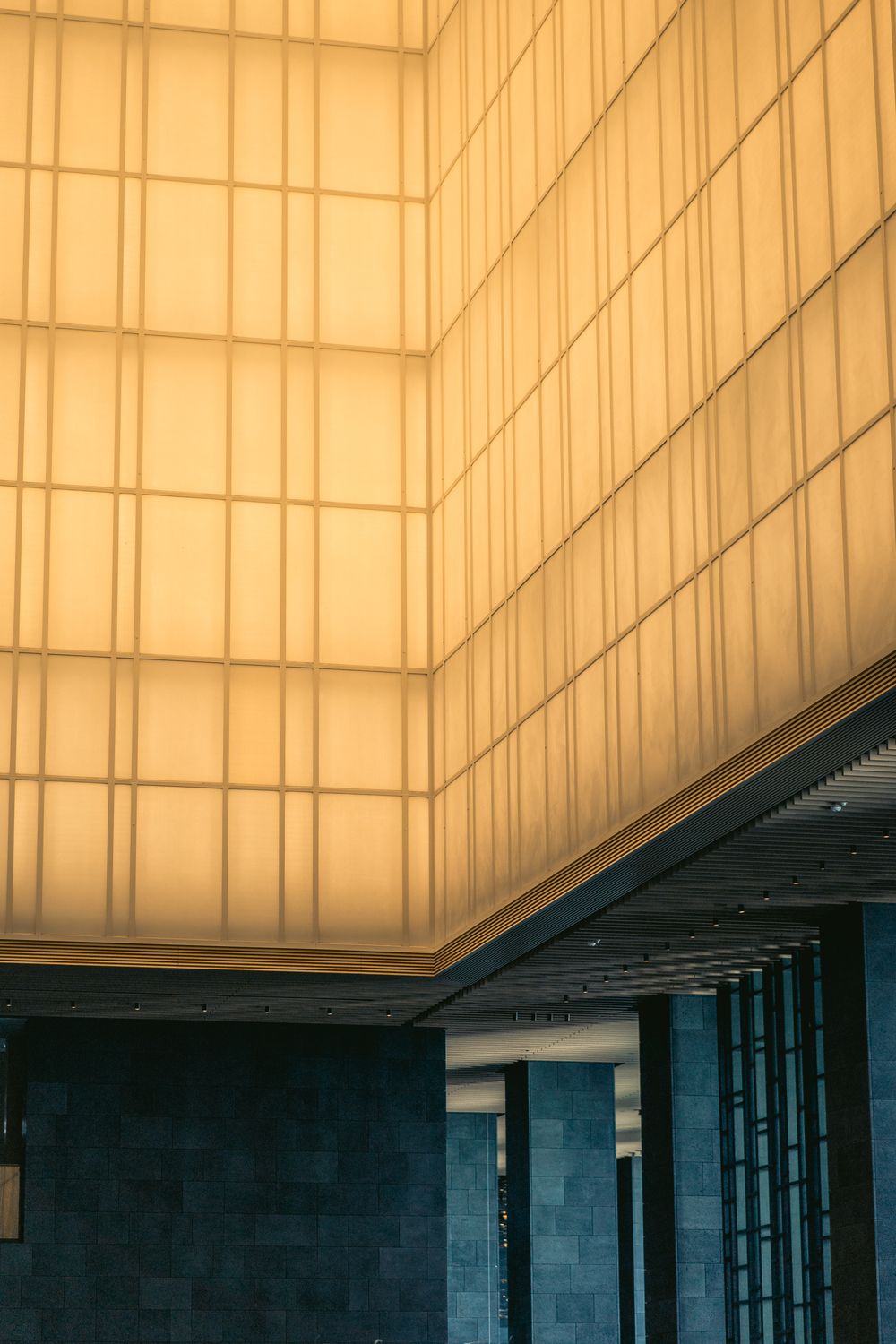
Quartzite is a natural metamorphic stone made mostly of quartz. It is much harder than onyx or marble and resists etching, which is why it is popular for kitchen islands and backlit stone countertops. Only some crystalline varieties are translucent, and they pass less light than onyx, so they need a brighter LED sheet behind them and careful testing.
Do not confuse quartzite with engineered quartz. Standard engineered quartz worktops are made with resin and pigments and generally are not designed to be backlit.
How to choose for your project
| If your project is… | Usually choose | Why |
|---|---|---|
| A kitchen island or counter used every day | Translucent quartzite | Hard and acid-resistant; accept a softer glow |
| A bar front, feature wall or reception desk | Onyx | Strongest glow and color; low wear |
| A bathroom vanity or powder room | Onyx or marble | Low wear; protect from cleaning chemicals |
| A large wall where evenness matters most | Light translucent marble | Soft, even light with fewer hotspots |
LED light sheet setup for each stone
| Stone | Brightness | Cavity starting point | Notes |
|---|---|---|---|
| Onyx | Standard density is usually enough | About 50 mm; add a diffuser if shallower | Dots show easily: avoid seams behind clear areas |
| Translucent marble | Medium to high density | About 50 mm | Check thickness variation across the slab |
| Quartzite | High-density, higher-output sheet | Can often be shallower, but test first | Brightness matters more than dot hiding |
For most backlit stone, a single-color sheet with CRI 95+ keeps the natural stone color accurate. Use a CCT (tunable white) sheet if you want to shift between warm and cool, and RGBW only when you need color effects. Run large surfaces on 24V and split them into power zones. See how far the sheet should sit from the stone for cavity depth and diffusers.
Always test the real slab
Two slabs of the same stone name can transmit light very differently. Before you approve the design, put a lit LED sheet behind an offcut of the actual slab, at the planned cavity depth, and check brightness, evenness and color. Request a sample sheet if you need one.
FAQ
Which stone glows the most when backlit?
Onyx. Its translucency gives the brightest, most colorful result.
Can I backlight a quartzite kitchen island?
Yes, if the quartzite is a translucent crystalline variety. It needs a brighter, high-density LED sheet and a sample test.
Is onyx good for kitchen countertops?
It can be used, but it is soft and etches with acids, so it needs careful use and sealing. Many designers keep onyx for walls, bars and vanities.
Can engineered quartz be backlit?
Standard engineered quartz is generally not made for backlighting. Ask the manufacturer about specific translucent products.
Related: What is an LED light sheet · How to backlight translucent stone without hotspots · Backlit onyx LED light sheets