
Project Images and Wiring References
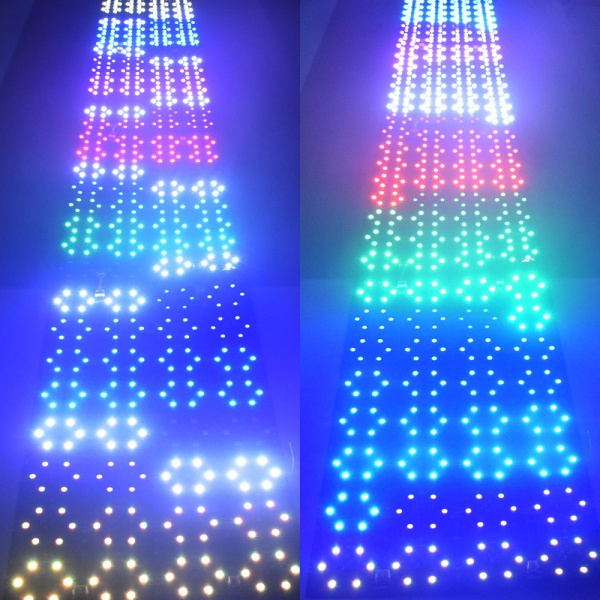
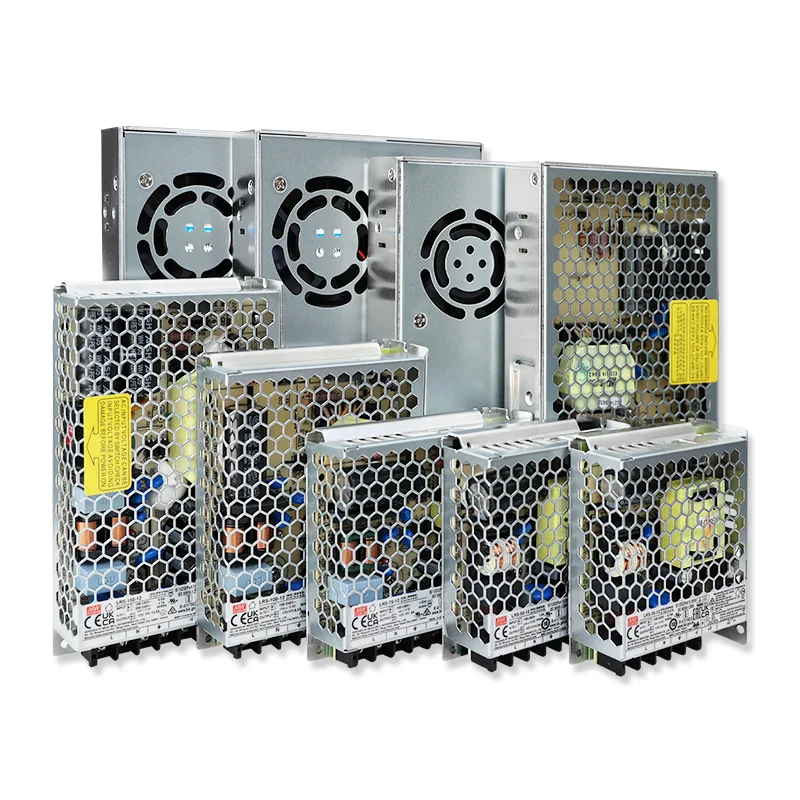
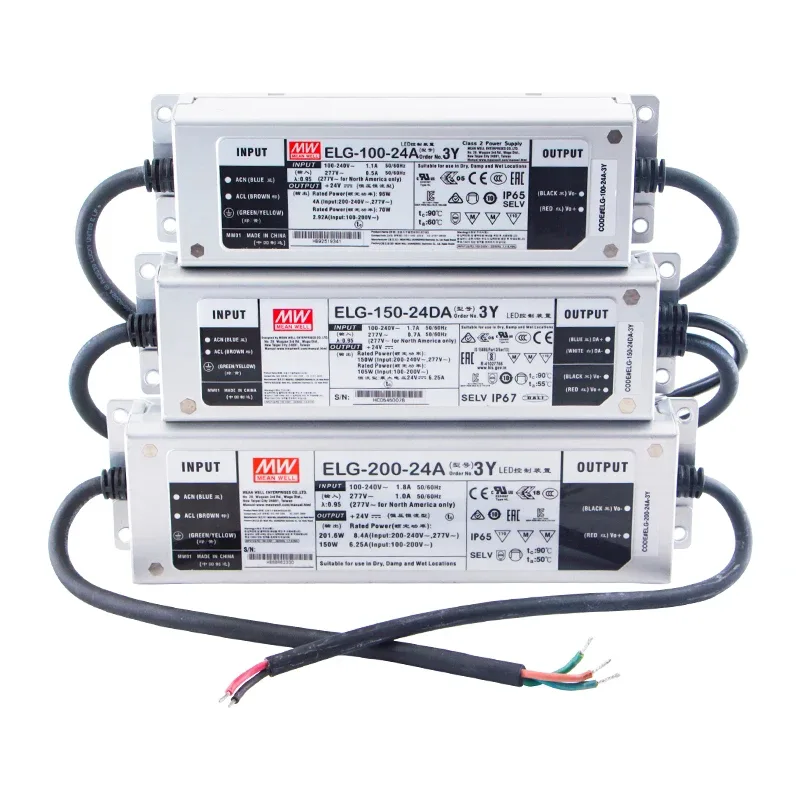
To size a power supply for LED light sheets, first confirm the sheet voltage and actual wattage, then add safety headroom. A practical rule is to keep the real load at no more than about 80% of the power supply rating. In formula form: required PSU wattage = total LED sheet load ÷ 0.8.
How many sheets one PSU can handle is not only a wattage question. You also need to check voltage, total current, controller load, cable length, power injection direction, installation temperature, access for service, and whether the project is single-color, CCT, RGB, RGBW, or addressable.
Start with Voltage and Real Wattage
Most LED light sheet systems are designed around low-voltage constant-voltage power. Before choosing a driver, confirm the voltage of the exact sheet model and the wattage per sheet or per cut section. Do not mix 12V, 24V, RGB, CCT, and addressable assumptions.
For product-level planning, start from the flexible PCB LED light sheets page and the LED power supplies page. For a project estimate, the LED light sheet calculator can help organize dimensions, wattage, and power zones.
Use 20% Headroom
If a layout uses ten sheets at 18 W each, the total load is 180 W. With 20% headroom, the PSU should be at least 225 W. In real projects, this usually means choosing a 240 W or 300 W supply, or splitting the installation into two maintainable power zones.
| Project load | Minimum with headroom | Practical choice |
|---|---|---|
| 96 W | 120 W | 120-150 W constant-voltage PSU |
| 180 W | 225 W | 240-300 W PSU or two zones |
| 320 W | 400 W | Multiple power zones with service access |
One Big PSU or Multiple Smaller PSUs?
A single larger supply can be simple for a compact cabinet or small sign. For stone walls, long counters, hotel feature walls, or RGB/CCT installations, multiple smaller power zones are often more reliable. Zones reduce voltage drop, simplify troubleshooting, and make future service less painful.
For deeper wiring logic, review how to calculate power supply size for LED light sheets and the power supply and controller planning guide.
Information to Send Before Quoting
- Visible illuminated dimensions and number of panels
- Selected LED sheet model or required color type
- Power supply location and access method
- Cable route length and cable exit direction
- Dimming, CCT, RGB, RGBW, or smart-control requirements
- Installation environment, ventilation, and service access
If these items are unclear, use the request LED light sheet quote page so the layout can be reviewed as a complete system, not just a wattage number.
Detailed Calculation Method for Power Supply Sizing
The most reliable way to choose a power supply is to work from the actual installed load, not from a rough guess. Count the number of LED light sheets in each zone, confirm the wattage of the exact sheet model, then calculate the load of that zone. If the sheet is cut into smaller sections, confirm whether the wattage changes proportionally or whether the product data sheet gives a specific wattage for the cut unit.
For example, if a backlit stone wall uses 8 sheets at 24 W each, the actual LED load is 192 W. A power supply should not be selected at exactly 192 W. Using the 80% loading rule, 192 W divided by 0.8 equals 240 W. In that case, a 240 W supply is the absolute minimum, while a 300 W supply or two separated zones may be more practical if the cable runs are long or the installation is sealed behind stone.
Why Sheet Count Alone Is Not Enough
Two projects may both use ten sheets, but one may be easy to power and the other may need multiple zones. The difference comes from cable distance, controller load, color type, installation temperature, and service access. A small display box with ten short cable runs is very different from a long hotel bar counter where the farthest sheet is several meters from the driver.
- For single-color white sheets, the main concern is total wattage and voltage drop.
- For CCT sheets, both warm and cool channels must be balanced.
- For RGBW or RGBCCT sheets, each channel has its own current limit, so controller capacity becomes just as important as the power supply.
- For large stone or millwork installations, the driver must remain accessible for service.
A good RFQ should therefore include the light sheet model, quantity, power location, cable route, control method, and visible illuminated area. If those inputs are not ready, start with the LED light sheet RFQ drawing checklist before finalizing the driver size.