
Project Images and Wiring References
Related Power Planning Resources
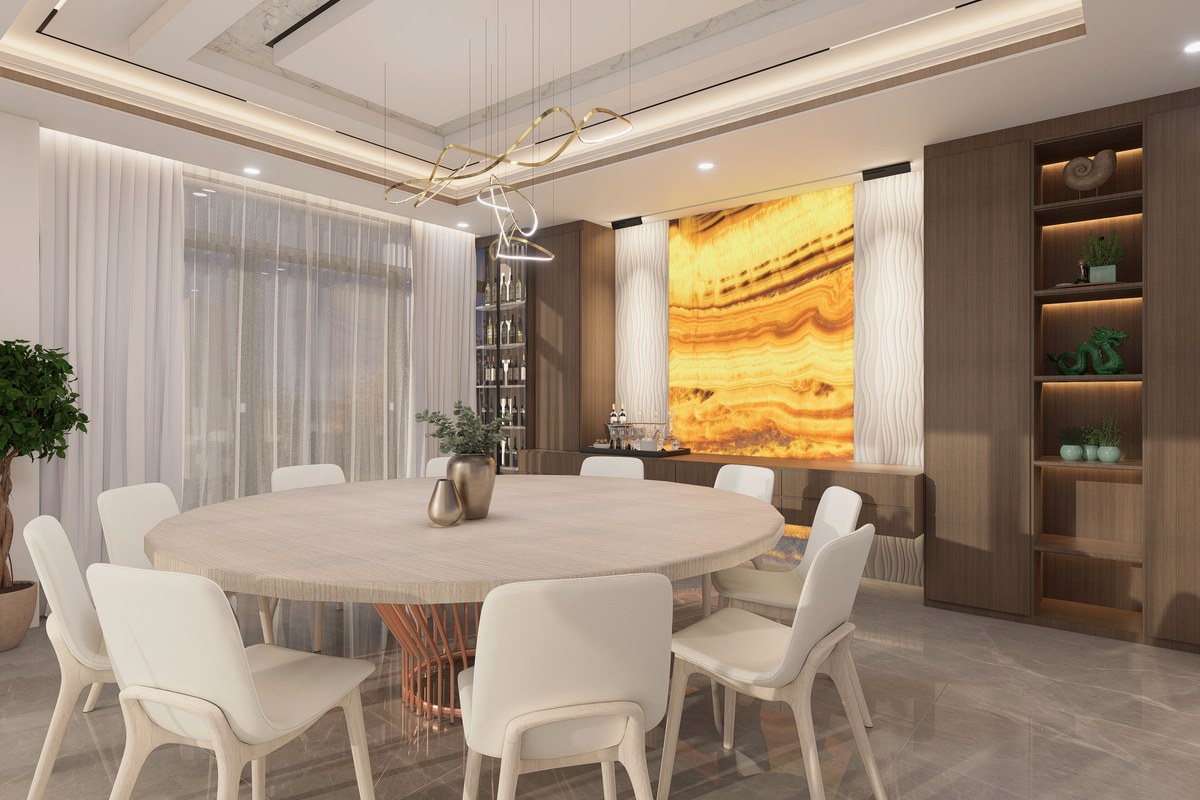
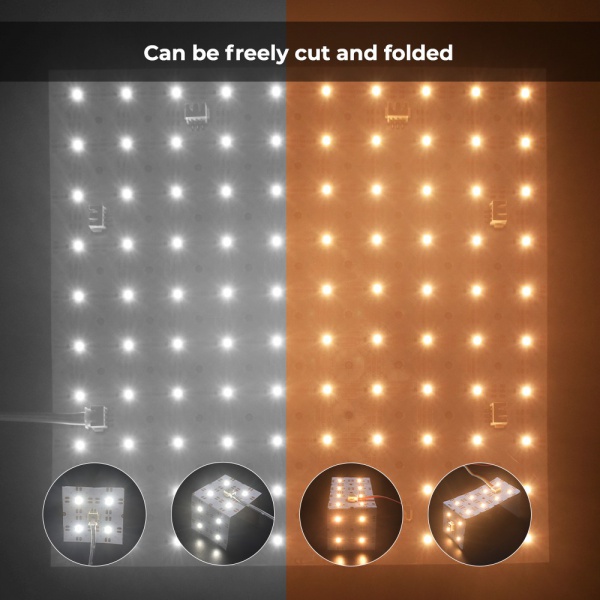
Yes, LED light sheets generate heat, but they can be used in enclosed cabinets, stone wall cavities, and bathroom-adjacent projects when the system is designed correctly. The key is to manage wattage density, backing surface, ventilation, power supply location, and service access.
LEDs are efficient, but not heat-free. Heat increases when many sheets are placed in a sealed cavity, driven near maximum power, installed on poor thermal surfaces, or paired with power supplies that have no ventilation.
Where Heat Risk Comes From
| Risk factor | Why it matters | Better approach |
|---|---|---|
| High wattage density | More energy becomes heat in a small area | Use correct sheet density and zoning |
| Sealed cavity | Heat cannot escape easily | Leave ventilation path where possible |
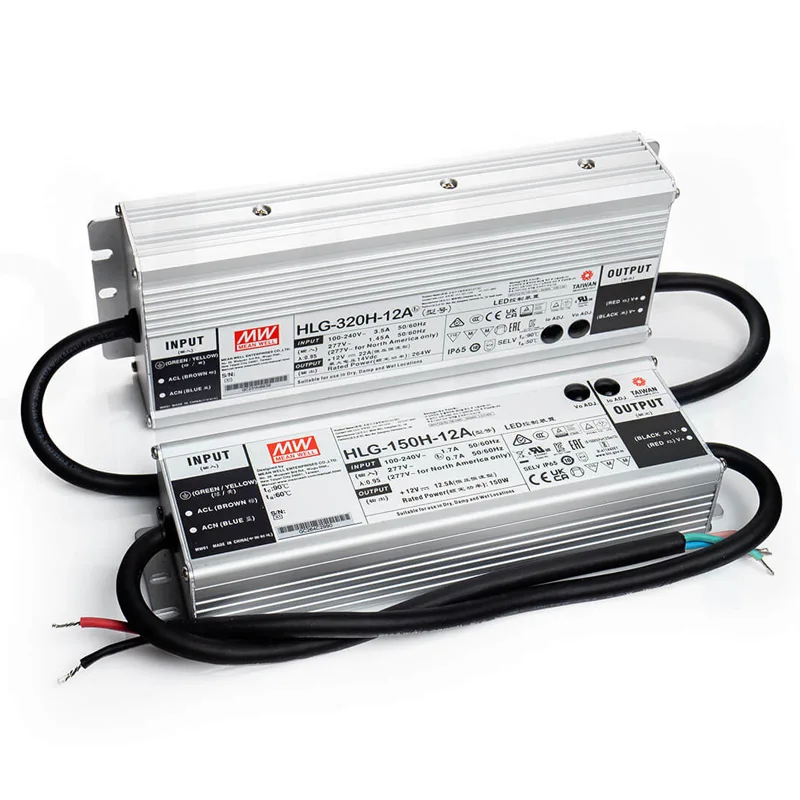
| Power supply inside sealed wall | Driver heat adds to LED heat | Keep PSU accessible and ventilated |
| Bathroom-adjacent area | Moisture and service access matter | Use suitable PSU/IP planning |
| Dark stone or low transmittance | May require more output | Test sample before increasing wattage |
Cabinets and Stone Walls
In a display cabinet, heat control often comes from using the correct wattage, avoiding overdriving, and leaving small ventilation gaps. In a stone wall, the backlight cavity should not become a sealed electrical box with inaccessible drivers. Keep power supplies, controllers, and service points reachable.
For stone projects, review LED light sheet applications and stone thickness and cavity depth for LED light sheet backlighting.
Near Bathrooms or Damp Areas
Bathroom-adjacent does not automatically mean the sheet is impossible, but the design must consider moisture, condensation, low-voltage wiring, driver location, and maintenance. Keep mains-voltage connections outside risky hidden areas and use suitable power supply protection for the environment.
The article can LED light sheets be used in wet or outdoor backlighting projects is the closest planning reference. Pair it with LED power supplies when choosing drivers.
Practical Heat Checklist
- Calculate total wattage and add PSU headroom
- Avoid burying drivers in sealed stone cavities
- Keep controller and power supply serviceable
- Use stable backing surfaces
- Confirm cavity depth and diffuser needs
- Run a sample test before closing expensive stone or cabinetry
For unclear environments, include installation photos and cavity details in a project quote request before ordering.
Heat Planning for Enclosed Cavities
LED light sheets should be treated as low-heat lighting components, not no-heat components. In an open sample test, the heat may feel minimal. Inside a sealed cabinet, stone wall, or backlit bar counter, heat can accumulate over time. The risk increases when the project uses high-density sheets, high brightness, dark or low-transmission stone, and power supplies hidden in the same cavity.
The safest design separates optical space, electrical access, and heat management. The sheet should have a stable backing surface, the cavity should not trap unnecessary heat, and the power supply should be placed where it can breathe and be serviced. If the driver fails behind a sealed stone wall, the repair cost is usually much higher than the cost of planning access from the beginning.
Bathroom-Adjacent and Damp Locations
Near-bathroom projects need extra care because moisture, condensation, and electrical access matter. Low-voltage LED sheets can be part of the solution, but the driver, mains connection, controller, and wiring path must be planned according to the environment. Keep high-voltage connections out of risky hidden zones and choose suitable protected power supplies when damp-location conditions require it.
- Do not bury power supplies permanently inside sealed stone cavities.
- Use power supplies with suitable protection for the installation environment.
- Keep wiring exits away from water exposure and condensation paths.
- Test heat and brightness with the actual material before full installation.
- Use zoning so one service issue does not require dismantling the whole wall.
For related planning, compare wet or outdoor LED light sheet backlighting projects with stone thickness and cavity depth planning. Heat, moisture, and service access should be reviewed together, not separately.